
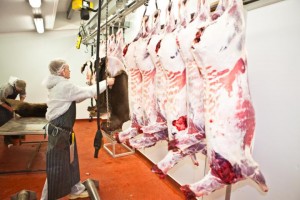
Traceability is one of those words that gets used a great deal in food and farming conversations, but it is not always clear what it means in practice, particularly for a product as distinctive as wild venison. Unlike farmed meat, wild venison comes from a diverse and naturally distributed supply base. It comes from hundreds of individual animals, shot by dozens of different stalkers, across a wide geographic area, often arriving at a processor in batches that span many different estates and suppliers.
That diversity is part of what makes wild venison special, and it is also what makes robust traceability so valuable and why having a certification scheme like British Quality Wild Venison (BQWV) built specifically around that complexity matters.
Why traceability for wild venison is unique
Most food traceability systems are built around the assumption that a batch of product comes from a single identifiable source. A pallet of chicken, for example, can be traced to a named farm and a specific flock. The paperwork is relatively simple because the origin is singular.
Wild venison has its own distinct character. A processor handling significant volumes might take deliveries from 50 or more individual suppliers in a single week. Each carcass has its own provenance, its own stalker, its own estate, its own journey from field to larder to vehicle to facility. Grouping those carcasses into pallets and product lines while maintaining meaningful traceability back to each individual source calls for a level of documentation and systems thinking that reflects the unique nature of wild venison supply chains.
This is an area of ongoing development within the industry, and it is one where the BQWV Standard is actively driving improvement. By setting consistent traceability requirements at both producer and processor level, BQWV certification creates a common framework that makes the whole chain more legible, not just individual links within it.
What BQWV traceability requires
The BQWV Standard sets out clear requirements for traceability at both producer and processors level. For producers, this means documenting each carcass with information about where and when it was shot, by whom, and how it was handled and transported. For processors, it means maintaining records that allow any batch of venison to be traced back through the supply chain to its source.
The standard provides flexibility in how this is achieved, it sets the expectation that the information exists, is accurately recorded, and can be retrieved when needed. That might mean a digital system, a paper-based log, or a combination of the two, but the outcome must be the same: meaningful, independently verified traceability from field to facility.
That independent verification is what distinguishes BQWV certification from good intentions. It means that when a certified business makes a claim about provenance, there is a framework behind it that buyers can rely on.
Why traceability matters to buyers
For many buyers, traceability is becoming an increasingly valued part of procurement. In public sector catering procurement, food service, and retail, the ability to demonstrate provenance and responsible sourcing is increasingly built into supply chain requirements. Buyers want to know where food comes from, how it was produced, and that someone has independently verified the claims being made.
For wild venison, this is an opportunity as much as it is a challenge the story of British wild venison, naturally living, locally managed, and ethically harvested, is a compelling one. That story becomes even more powerful when it is supported by clear, verifiable evidence. BQWV certification is what turns a narrative into evidence that procurement teams, contract caterers, and retail buyers can actually use.
The direction of travel
The food industry’s focus on traceability and provenance is growing, and wild venison is exceptionally well placed to meet that moment. Retailers, caterers, and public sector bodies are increasingly looking for suppliers who can tell a clear, verified story about where their food comes from.
Wild venison has a genuinely strong sustainability story to tell, and the infrastructure for telling it, through BQWV certification, through responsible deer management, and through improving traceability systems, is being built right now. For producers and processors who invest in that infrastructure today, the commercial returns will grow as market expectations continue to evolve.
Those who hold BQWV certification when those conversations happen will be the ones best placed to have them with confidence.
To find out more about BQWV certification and what it requires, visit our How to Get Certified page or download the Producer Handbook.