
Demystifying BQWV Certification: A Guide for Stalkers/Producers
Wild venison is a high-value, sustainable product, and ensuring its quality and traceability is essential. The British Quality Wild Venison (BQWV) certification helps stalkers, producers, and processors demonstrate best practices in handling and processing, offering assurance to customers and protection against food safety claims. If you already follow best practices, certification formalises your high standards. This guide outlines the application and certification process step by step.
The BQWV Certification Process
The application process follows a structured pathway, regardless of the number of carcasses handled. However, the allocation of auditors differs based on a scale: producers handling fewer than 300 carcasses are through the ‘Group scheme’ and are assigned an auditor via BASC. In comparison, those producing more than 300 carcasses or are a processor are assigned an auditor directly from Supply Chain In-Sites.
While the audit process itself remains the same, dealing with larger sites and higher volumes can introduce additional complexity, making the audit process a bit longer. Larger operations often require more detailed record-keeping, site management considerations, and logistics planning, which can extend the time needed for audit completion.
Step 1: Application Submission
- Request an application form from Supply Chain In-Sites.
- Complete and submit the application.
- Your details are uploaded to the system, and an invoice for certification fees is issued.
Step 2: Auditor Allocation
- If handling fewer than 300 carcasses, a BASC auditor is assigned to conduct the audit.
- If handling more than 300 carcasses or are a processor, a Supply Chain In-Sites auditor is assigned.
- The auditor will contact you to schedule the audit, and a confirmation will be sent with further details.
Step 3: Preparing for Your Audit
- Use the pre-audit checklist in the BQWV standards to assess your readiness.
- Ensure all required records (e.g. temperature logs, hygiene checks) are organised and up to date.
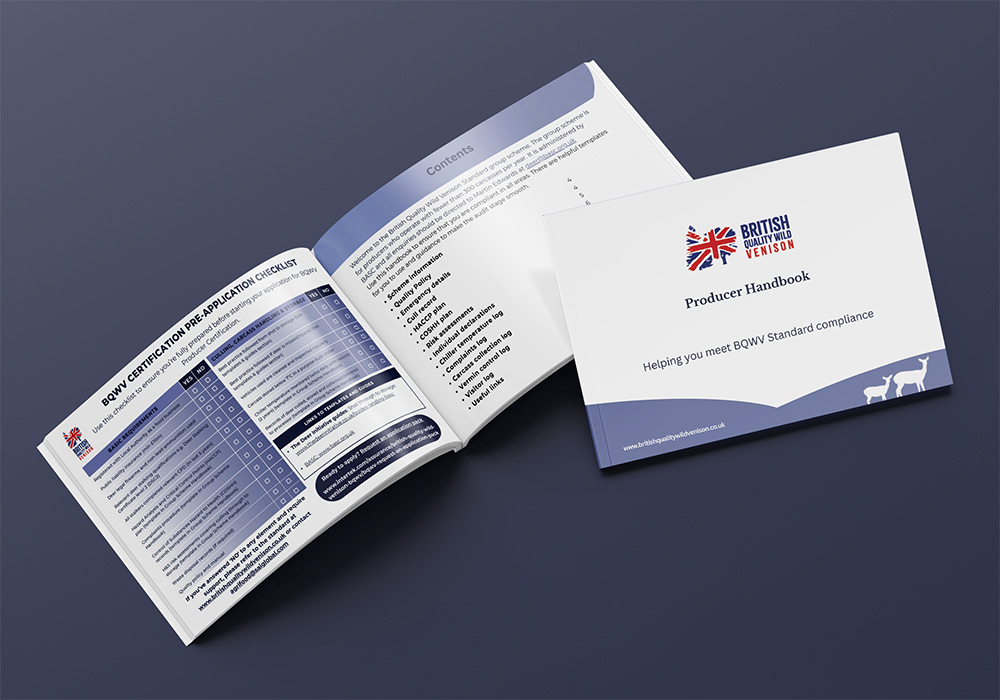
- Templates and guidance in the BQWV handbook can assist with compliance.
- Contact Supply Chain In-Sites if you need further support.
Step 4: The Audit Process
The audit follows the same format regardless of the scale of operations:
- Site Tour – Inspection of the larder and chiller facilities.
- Office-Based Review – Assessment of documentation and record-keeping practices.
- The audit typically takes between 2.5 to 4 hours, but for larger operations, the increased volume of records and site complexity may extend the process.
- Any non-conformances will be discussed during the audit, and you will receive a summary report of the findings.
Step 5: Certification Review & Approval
- The certification team reviews the report.
- If no non-conformances are found, you’ll receive your BQWV Certification mark (logo plus certificate number).
- If non-conformances exist, you have 90 days to submit evidence of rectification.
- Once rectified and reviewed, certification is granted, and a Certification mark is issued to you.
Step 6: Ongoing Compliance
You will receive either an email or a letter from Supply Chain In-Sites inviting you to renew your BQWV membership 6-weeks prior to your certificate expiry date. This will outline your current membership details, and the renewal fee will be issued.
- Certification is valid for 12 months and requires annual renewal.
- Future audits ensure continued adherence to standards, and audits are carried out every 18 months. An assessor will contact you directly to arrange your routine audit when it is due.
Common Pitfalls & How to Avoid Them
While many find certification straightforward, it pays to:
- Be prepared – Use the pre-audit checklist and BQWV handbook.
- Update documentation – Keep hygiene records, temperature logs, and other required documents updated.
- Address non-conformances – Address and rectify any issues promptly.
- Apply in good time – The process takes 4 to 8 weeks, so apply in advance.
Ready to Apply?
BQWV certification enhances credibility, ensures food safety, and benefits both producers and consumers of wild venison. Visit the website to begin your application.